Date: Monday 11 May 2026
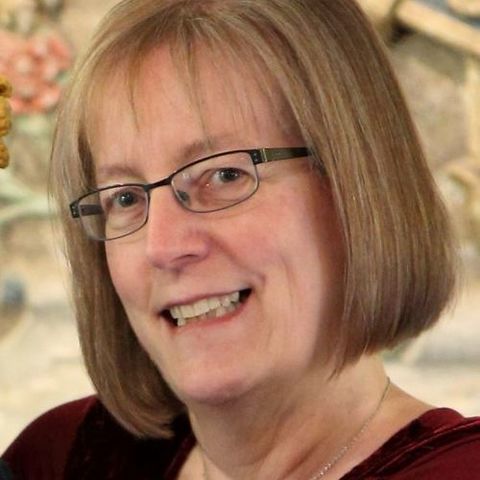
Speaker: Janet Few
Chair: Lynda Balmforth
Reporter: Steve Miller
Introduction
Lynda Balmforth welcomed members to the meeting and introduced genealogist and author Janet Few for a thought-provoking talk exploring the lives of what Janet described as “misfortunate ancestors” — those individuals who, through poverty, illness, illegitimacy, crime, or social circumstance, found themselves on the margins of society.
Janet began by explaining that some of the historical terminology used during the presentation reflected the language found in original records and documents. While many terms are no longer acceptable today, she stressed the importance of understanding them within their historical context rather than “whitewashing” the past.
Researching Ancestors in Asylums
The first section of the talk examined how family historians can identify ancestors who experienced mental illness or spent time in asylums. Janet explained that clues may appear in census disability columns, death certificates, newspaper reports, coroner’s records, military records referring to shell shock, or increasingly through asylum records appearing online.
Members were introduced to the records of county asylums and the famous Bethlehem Hospital (“Bedlam”), whose surviving records include admissions registers, discharge books, governors’ minutes, and detailed patient casebooks. Janet explained the remarkable level of information these records can contain, including occupations, medical histories, family observations, progress notes, and sometimes photographs.
Janet illustrated this using the moving story of her own great-great-aunt Fanny, whose existence had largely disappeared from family memory until asylum and workhouse records revealed a tragic but fascinating life story involving several institutions, surviving casebooks, and family correspondence.
Hospitals, Illness, and Public Health
The talk then turned to records relating to physical illness and hospital treatment. Janet highlighted specialist hospital archives, the Hospital Records Database, and the Historical Hospital Admissions Records Project, which includes records from hospitals such as Great Ormond Street and Glasgow’s Royal Hospital for Sick Children.
Particular emphasis was placed on Medical Officer of Health reports, introduced following the Public Health Act of 1848. These annual reports contain invaluable details about epidemics, sanitation, overcrowding, contaminated food, severe weather, and living conditions within local communities. Janet recommended them as an excellent way of understanding the social conditions experienced by ancestors.
Workhouses and the Poor Law
Janet next explored the complex world of workhouses and poor relief. She described the surviving records that can include inmate registers, apprenticeship records, creed registers, accounts, and records of assisted emigration schemes. Members were also introduced to the 1861 census of long-term workhouse inmates, which can reveal individuals suffering from chronic illness or disability.
The presentation explained the settlement system introduced under the Poor Laws, whereby parishes were responsible only for their “own” poor. Janet described settlement examinations, removal orders, settlement certificates, and the often harsh realities of families being removed to distant parishes with which they had little real connection.
She strongly recommended the extensive online resource created by Peter Higginbotham on workhouses and poor law history.
Criminal Ancestors and Court Records
The next section focused on ancestors who appeared before the courts. Janet outlined the hierarchy of courts from petty sessions through quarter sessions to the assizes, explaining where surviving records are generally held and how newspapers can supplement official documents.
Members were introduced to resources such as:
- Old Bailey Online
- Prison calendars
- Habitual criminal registers
- Habitual drunkards registers
- Prison hulk records
- Police and Home Office files
Janet illustrated these records through the remarkable story of Sarah Jones alias Grosvenor, a woman whose repeated drunken offences and appearances before the courts created a vivid documentary trail across prisons, newspapers, and criminal registers. By 1903 Sarah had reportedly appeared before the courts over 136 times.
Illegitimacy and Prostitution
The final part of the talk examined illegitimacy and prostitution, including the bastardy examination system introduced in 1733 to identify fathers and secure financial support for illegitimate children. Janet explained how surviving bastardy examinations, bonds, and settlement papers can provide extraordinary genealogical detail where they survive.
She also discussed the changing historical meaning of the word “prostitute”, noting that it was often used simply to describe women considered to have “fallen from virtue”, rather than necessarily women engaged in sex work for payment.
Using examples from census records and newspaper reports, Janet demonstrated how desperation, poverty, social stigma, and official attitudes shaped the lives of many vulnerable women in the nineteenth century.
Conclusion
Janet concluded by encouraging researchers not to ignore difficult or uncomfortable stories within their family history. She stressed the importance of presenting a balanced and honest picture of the past, recognising that many ancestors struggled with poverty, illness, mental health problems, addiction, or social prejudice.
The talk prompted an enthusiastic response from members, with several sharing examples from their own research. One attendee described it as “the best talk we’ve had since we went on to Zoom.”
Further Information
Janet mentioned that a handout and accompanying book covering additional categories of marginalised ancestors are available through her website and publisher and a copy has been uploaded to our Digital Library
Watch the Recording
A recording of this talk is available to members for one month from the meeting date.