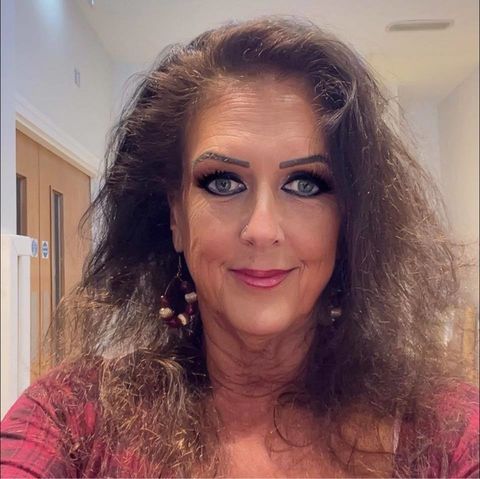
Meeting Report – Adoption, DNA and Identity
Speaker: Dr Penny Walters
Date: 16 April 2026
Format: Zoom (recorded)
The Society welcomed members to an engaging and thought-provoking evening talk by Dr Penny Walters, who explored the complex and often deeply personal subject of adoption, identity, and the role of DNA in modern genealogical research.
The talk had been arranged following member interest in adoption research, a topic many genealogists encounter but often find challenging to navigate. Drawing on both professional expertise and personal experience as an adoptee, Dr Walters delivered a presentation that combined practical guidance with powerful reflections.
Introduction and Context
Dr Walters began by outlining the historical background to adoption, highlighting the stigma that surrounded illegitimacy and unmarried mothers in the past. She explained how social attitudes, religious beliefs, and economic pressures often led to children being placed for adoption, sometimes under distressing circumstances.
She also addressed the language historically used in records—terms such as “illegitimate” or “bastard”—and emphasised the importance of sensitivity in modern genealogy, reminding researchers that words carry weight and can still have emotional impact today.
A Personal Perspective
A key strength of the talk was its personal dimension. Dr Walters shared her own adoption story, describing how she was told as a child that she had been “chosen,” and how this shaped her early identity.
As she grew older, questions around belonging, identity, and biological heritage became more significant. She spoke candidly about feelings of difference, the absence of biological connections, and the impact this can have over a lifetime.
Her reflections provided valuable insight into the emotional realities behind the records genealogists work with, encouraging members to approach such research with empathy.
Adoption and Genealogy Research
The talk then moved into practical genealogy, focusing on the challenges of researching adopted individuals.
Dr Walters explained the process of obtaining adoption records in England and Wales, including:
- Accessing entries via the General Register Office
- The role of the Adopted Children Register (post-1927)
- Adoption contact registers and intermediary services
She noted that earlier adoptions were often informal, making research more difficult, and highlighted the frustrations adoptees can face when trying to access their own birth information.
The Role of DNA Testing
A major part of the presentation focused on DNA testing and its transformative impact on adoption research.
Dr Walters described how taking a DNA test opened up entirely new avenues in her own search, allowing her to:
- Identify biological relatives through DNA matches
- Use shared centimorgan values to estimate relationships
- Collaborate with distant cousins to build biological family trees
She explained key concepts clearly, including:
- The meaning of centimorgans
- Relationship ranges (e.g. parent/child vs cousin overlaps)
- The importance of interpreting results cautiously
Members were advised that DNA matches do not always produce straightforward answers and may require careful analysis and collaboration.
Practical Techniques
Several useful research techniques were highlighted, including:
- Building separate adoptive and biological family trees
- Uploading DNA results to multiple platforms (e.g. GEDmatch)
- Using tools such as DNA Painter and clustering methods
- Creating “mirror trees” (with caution)
Dr Walters also demonstrated how visual tools like fan charts can help track confirmed ancestral lines and DNA connections.
Ethnicity and Unexpected Discoveries
The speaker discussed ethnicity estimates, noting their value but also their limitations. While her own results confirmed Irish and Welsh ancestry, she stressed that ethnicity results can:
- Reveal unexpected origins
- Highlight migration patterns
- Sometimes uncover difficult historical realities (e.g. slavery, displacement)
She encouraged members to interpret such results thoughtfully and within historical context.
Ethical Considerations
A recurring theme throughout the talk was the ethical dimension of adoption research.
Dr Walters urged caution when contacting biological relatives, reminding members that:
- Not everyone will welcome contact
- Discoveries may disrupt existing family relationships
- Emotional consequences can be significant for all involved
She emphasised the importance of sensitivity, patience, and respect when handling such situations.
Conclusion
Dr Walters concluded by reflecting on how her research had helped her construct a clearer sense of identity, connecting her to Irish and Welsh roots and to newly discovered relatives.
While acknowledging the challenges, she demonstrated how DNA and genealogical research can provide answers, context, and, for some, a sense of belonging.
Closing Remarks
The talk was warmly received by members, who found it both informative and deeply moving. It provided valuable insight into an area of family history that is often complex, emotional, and highly relevant in modern research.
The Society extends its thanks to Dr Penny Walters for a fascinating and memorable presentation.