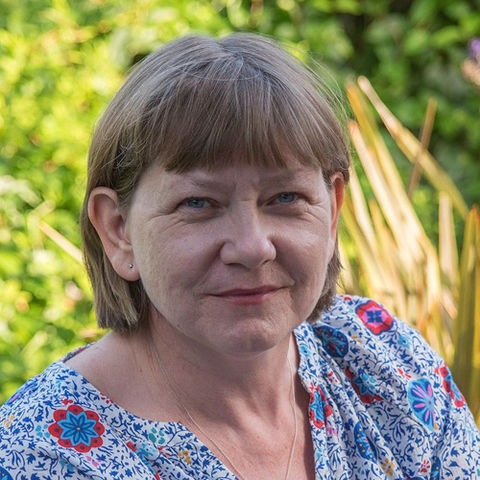
Our recent Zoom meeting welcomed genealogist Karen DeBruyne, who delivered an engaging and practical talk on moving beyond the standard birth, marriage, death and census records to uncover the richer stories behind our ancestors’ lives.
Karen began by reminding us that while BMD certificates and census returns form the backbone of research, they are only the starting point. Family stories – particularly from older relatives – can provide valuable clues, though they should always be treated as leads rather than established fact.
She then explored a wide range of sources that help add colour and context:
Occupations – using specialist websites, trade directories and clergy databases to understand what an ancestor’s working life was really like.
Electoral registers and poll books – invaluable for tracking people between census years.
Trade and local directories – often revealing business premises and social standing.
School and university records – which can confirm addresses, parents’ names and even career paths.
Land and tax records – including tithe maps and the Lloyd George Domesday survey, offering detailed insight into property ownership and living conditions.
Newspapers – described memorably as the “Facebook of their day”, rich in gossip, court reports, announcements and sometimes even photographs.
Wills and probate records – revealing family relationships, property and personal circumstances.
Maps – particularly the National Library of Scotland’s online collection and Google My Maps for plotting ancestral movements.
Archives and local history societies – reminding us that only a fraction of material is online and that archivists are an invaluable resource.
A particularly fascinating section covered the growing use of AI, highlighting FamilySearch’s Full Text Search facility, which can locate references in previously unindexed material such as apprenticeship records, vestry minutes and land deeds.
Throughout the talk, Karen illustrated her points with examples from her own research, demonstrating how photographs, school magazines and archive visits can transform a simple record into a vivid narrative.
She concluded with an important reminder about referencing sources properly, ensuring that discoveries can be revisited and verified in future.
This was an inspiring session that encouraged us all to look beyond the obvious and dig deeper into the social, occupational and local context of our ancestors’ lives.
? Handout Available
Karen has kindly provided a comprehensive handout, which includes links to the resources mentioned in the talk. Members can download it from the Digital Library:
https://awfhs.org.uk/members/library/view.php?file=doc_Beyond_The_Basics_2026_handout.pdf
A most informative and thought-provoking evening — and a reminder that the real stories often lie just beneath the surface of the records we already use.