Meeting Report – Mills and Mines: Lives from the Industrial Revolution
Date: Tuesday 16th January 2025
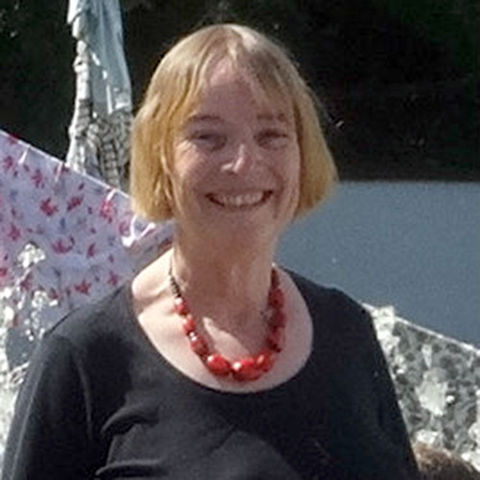
Speaker: Frances Hurd
Event: Airedale and Wharfedale Family History Society
Frances Hurd joined AWFHS for a dynamic and thought-provoking talk that breathed new life into a subject many remember as dry textbook history: the Industrial Revolution. Her talk, titled “Mills and Mines”, explored the lives of real individuals shaped by the sweeping economic and social changes of the 18th and 19th centuries. Combining biography, global context, and social history, the session was one of both breadth and detail.
Setting the Global Stage
Frances began by tracing the roots of Britain’s industrial dominance to its naval strength and imperial expansion. She showed how colonial trade routes provided both raw materials (like cotton) and markets for British goods. A slide illustrating the vast reach of the British Empire in red offered a visual reminder of the nation’s global power by 1900.
Frances explained that the colonies served as both producers and consumers in a tightly controlled economic system, benefiting industrialists at home while ensuring dependency abroad. The canal and railway networks built during the same period further boosted domestic industry by improving transport links across Britain.
From Cottage Industry to Water-Powered Mills
Next, the talk shifted to Yorkshire, where Frances examined the transformation of textile production. Once a cottage industry done in family homes, the introduction of water-powered machinery such as the spinning jenny and power looms revolutionised the speed and scale of production. Early factories were built beside rivers to harness water wheels, altering not just work, but entire landscapes and town layouts.
These new mills created both opportunity and oppression: while they offered employment, they also introduced gruelling routines and dangerous machinery, especially for children and women. Frances gave examples of machinery design that made accidents tragically common in these workplaces.
Three Lives – A Personal View of Industrial Britain
The heart of the presentation came through three biographical case studies that illustrated different experiences of industrial Britain:
- Two Yorkshire mill owners – Frances explored their family origins, entrepreneurial risks, and wealth accumulation. Their letters and business records revealed the pride they took in their growing operations — and their sometimes ambivalent attitudes to worker welfare.
- One mining engineer from Lancashire – This individual rose from modest beginnings to build his fortune in the coalfields of South Wales. Frances explored how his expertise in ventilation and shaft design improved safety but also highlighted how financial success could mean exploitation of human labour in hazardous conditions.
Life for Workers in Mills and Mines
Frances balanced her discussion of industrialists with vivid accounts of the working classes. In mills, workers endured long hours, poor lighting, and unsanitary conditions. In coal mines, entire families were often involved, with women and children doing surface work or carting coal underground.
Particularly moving were Frances’ descriptions of miners’ cottages, accidents, and the early stirrings of trade unionism. She also examined how religious life and self-education flourished even under these challenging conditions, showing the resilience of working communities.
Engaging Style and Audience Response
Frances brought a conversational tone and dry humour to her talk, making even dense economic history accessible and memorable. Her animated delivery, supported by well-chosen slides and anecdotes, kept the audience thoroughly engaged. During the Q&A, members asked about local mill records, family links to industrial jobs, and the impact of mechanisation on rural migration.
Conclusion
This was a powerful and human-centred presentation on the Industrial Revolution. Frances showed how family historians can gain deeper understanding by placing their ancestors within broader economic shifts. Whether your forebears were mill owners or child carders, the industrial world shaped generations — and Frances helped us see those lives not just as names in a census, but as people caught in a rapidly changing world.
Report compiled from the event transcript and edited for clarity.